
This article was updated in December 2025 to reflect the latest information and best practices.
TL;DR
A strong employer brand is built through every interaction candidates and employees have with you, not just through a job ad. When your EVP is clear and consistently reflected across recruitment, onboarding, and offboarding, you attract better-fit candidates, reduce hiring costs, strengthen engagement, and protect your reputation long after employees leave. With the right processes and tools, your employer brand becomes something people can feel at every stage of the journey.
Table of Contents
- What Is Employer Branding?
- What Are The Benefits Of Employer Branding?
- How to Establish Your Employer Branding Strategy Across the Entire Employee Lifecycle
- FAQ About Employer Branding
- Next Steps: Building your Employer Branding Strategy
When employers could freely choose among eager applicants, employer branding rarely made the agenda. Today, the script has flipped, and it’s no longer a side project you “get to when there's time.” Candidates move fast, compare every detail, and expect authenticity from the very first touchpoint.
To keep up, HR teams need a clear identity that shows who you truly are as an employer and why people should want to join you.
And that identity has to extend well beyond the job ad. The strongest employer brands feel consistent at every moment of the employee journey, from the first time someone reads your job description to their last day, all the way into your alumni community.
This guide breaks down what employer branding is, why it matters, and how HR teams can build a strategy that lives across recruitment, onboarding, and offboarding.
What is Employer Branding?
Employer branding is the process of defining and managing your reputation as an employer. It includes everything people experience when interacting with your organisation: your values, culture, communication style, leadership, and the day-to-day employee experience.
Think of it as the employer equivalent of a consumer brand. Where a consumer brand shapes how customers perceive a company, employer branding determines how candidates and employees perceive your workplace.
Ultimately, employer branding answers a simple question: Why should people choose to work for you and stay long term?
What are the Benefits of Employer Branding?
Done right, employer branding strengthens every part of the employee lifecycle. Done poorly, it undermines recruitment, onboarding, retention, and engagement.
Here are the core benefits for HR and recruitment teams:
1. Attract more qualified talent
A clear employer brand shows candidates what it’s like to work for you before they apply. As a result, you spend more time interviewing people who genuinely align with your culture, values, and expectations and less time managing dropouts or mismatches. That leaves HR to focus on candidates who are already a strong fit from the start.
2. Reduce hiring costs
A strong employer brand reduces your cost-per-hire by up to 43% because better-fit candidates apply on their own, stay engaged, and move through the process faster. Clear expectations also prevent wasted interviews with unsuitable applicants, helping recruiters focus efforts where it matters.
3. Improve engagement and productivity
When people see their own values and aspirations reflected in your brand, they start their role with a stronger sense of purpose. This leads to more motivated teams, smoother onboarding processes, and faster ramp-up times. Employees who feel connected to your mission are also more likely to contribute beyond their core responsibilities.
4. Increase retention
Employees stay longer when the culture they encounter matches the one they were promised. A consistent employer brand gives people clarity, support, and a sense of long-term opportunity, reducing early turnover and improving overall retention.
5. Build long-term reputation
A positive employer experience doesn’t end when someone leaves. Former employees who feel valued are more likely to recommend you, refer talent, or even return down the track. This strengthens your reputation across networks, review sites, and industry communities, giving future candidates more confidence in joining you.
| 💭 A SCENARIO TO PUT THINGS IN PERSPECTIVE |
| Picture your own hiring process on a difficult day. You post a job, get dozens of applicants, but only a handful truly understand your culture or expectations. Candidates drop out mid-process because the role isn’t what they imagined, and the ones who join often leave within the first year. You spend more time screening mismatches and refilling the same roles than focusing on strategic talent work. To make matters worse, review sites are filled with former employees describing an experience that looks nothing like what your job ads promise. Now, picture the same process after you’ve built a strong employer branding strategy. Your job descriptions reflect your real culture and employer value proposition, your candidate communications feel consistent, and onboarding reinforces what you’ve promised. Applicants arrive with a clearer sense of fit, new hires feel supported from day one, and even your offboarding experience strengthens long-term goodwill. You’re suddenly interviewing better-fit candidates, reducing turnover, and protecting your reputation across employee networks. Instead of reacting to constant hiring needs, you finally have space to focus on long-term talent initiatives, because your employer brand is doing part of the heavy-lifting for you. |
How to Establish Your Employer Branding Strategy Across the Entire Employee Lifecycle
Building a strong employer brand requires two things: a clear strategy and consistent delivery.
Many companies develop a message, but very few apply it reliably across recruitment, onboarding, and offboarding, a lost opportunity, considering those are the moments that shape how people experience your culture authentically.
Below is a practical two-step approach that helps HR teams move from defining their employer brand to embedding it across the entire employee journey.
Step 1: Define Your Employer Branding Strategy (EVP)
Your employer value proposition (EVP) is the foundation of your employer brand. It summarizes what you offer as an employer in exchange for the skills, experience, and commitment of your people. When built properly, your EVP becomes a 'north star' for hiring messages, onboarding communication, and internal development conversations.
A strong EVP helps you:
- differentiate your organization from competitors
- create consistency across all HR and talent communication
- set clear, realistic expectations for both candidates and employees
What to Include in Your EVP
Your EVP should be concise, authentic, and rooted in real employee insight. Don’t think of it as marketing copy, but as a clear explanation of what employees can expect and what your brand stands for, whether that’s integrity, innovation, inclusivity, or something in between.
A simple three-part framework helps keep the message focused and usable across all HR and talent communication.
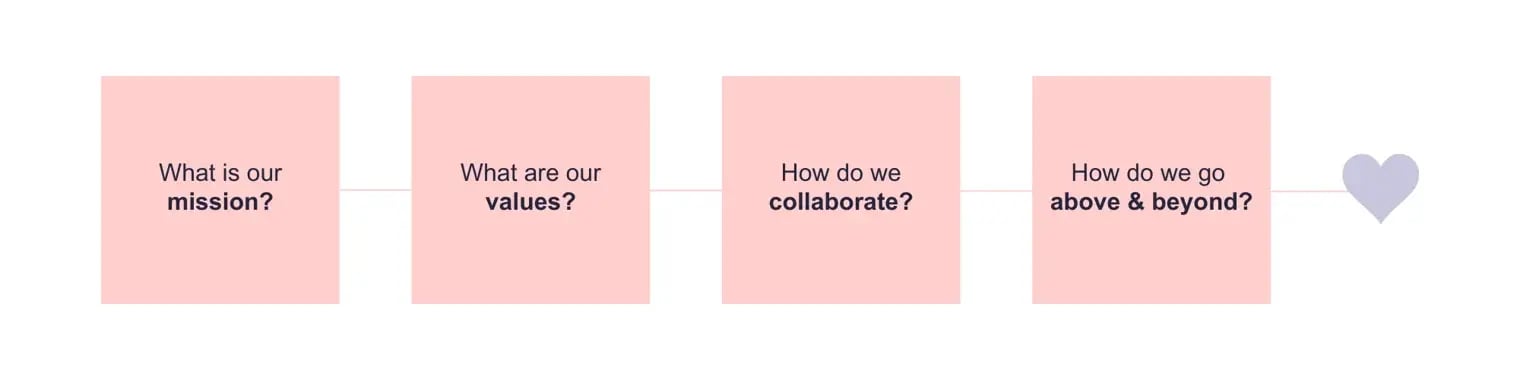
1. Company culture
People are increasingly choosing employers that align with personal values. That’s why it’s vital to make sure you communicate these clearly throughout the recruitment and onboarding process.
2. Career path
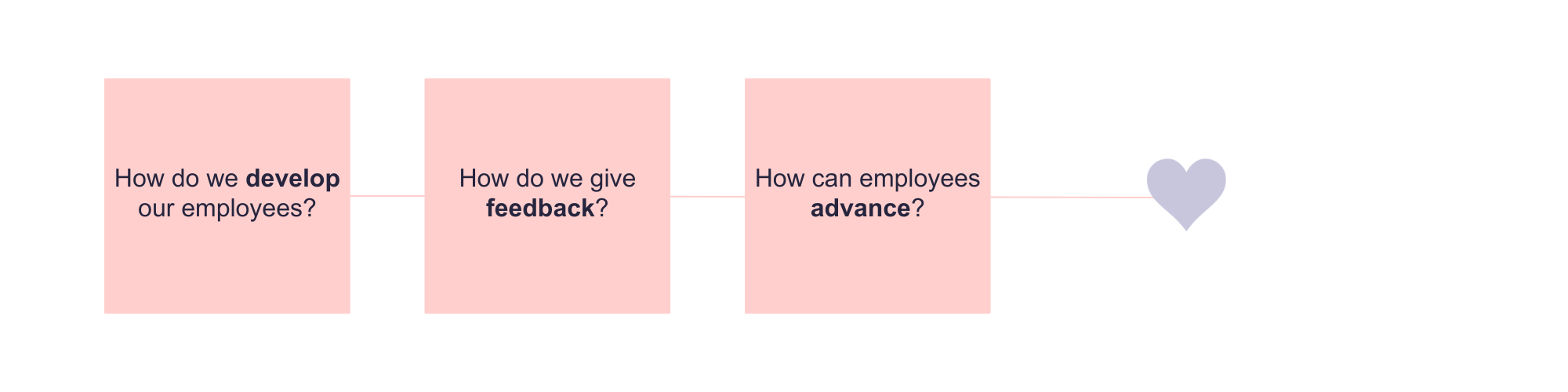
Your EVP should also include a clear outline of how your employees can grow and develop, and whether there are advancement opportunities.
 3. Working environment & benefits
To stand out as an employer, you need to offer attractive office spaces, flexible working options, and competitive benefits. And your EVP is the place to highlight them.

Step 2: Apply Your Employer Brand Across the Employee Lifecycle
Once your EVP is defined, the focus shifts to execution. This is where employer branding becomes tangible: the tone candidates read in a job ad, the welcome message a new hire receives, or the feedback conversation during offboarding.
When HR teams apply the employer brand consistently across every lifecycle stage, employees experience what they were promised, and trust grows.
Employer Branding and Recruitment
Recruitment is often the first time a candidate encounters your company.
This stage sets expectations, communicates your values, and shapes how candidates evaluate whether they belong in your culture. When your employer brand is clear and consistent, you attract applicants who understand both the role and the culture.
Ways to Apply Your Employer Brand in Recruitment:
- Share career videos, employee stories, and culture moments that bring your EVP to life
- Write job descriptions that clearly reflect your values and expectations
- Be transparent about responsibilities, required skills, and ways of working
- Keep a consistent tone across ads, emails, and interviews
- Include salary ranges when transparency is one of your stated values
Employer Branding and Onboarding
Onboarding is your chance to deliver on the promises made during recruitment. A strong onboarding experience builds trust, reduces uncertainty, and helps new hires feel confident in their decision to join. When onboarding reflects your EVP, employees experience your brand rather than simply hearing about it.
Don’t underestimate this stage: Employees who receive structured onboarding are 58% more likely to stay with the company for three years.
Ways to Apply Your Employer Brand in Onboarding:
- Provide a welcome pack that reflects your culture
- Share your EVP, mission, and values in an accessible format
- Give new hires all essential information before day one
- Introduce new hires to their team, mentor, or onboarding buddy
- Create early 'culture moments', such as team lunches or digital meetups
- Collect feedback to understand how onboarding is landing
Employer Branding and Offboarding
Offboarding is often overlooked, yet it plays a major role in shaping your long-term reputation. Employees who leave with a positive experience are far more likely to recommend you, refer talent, or even return later. Offboarding is an opportunity to reinforce your values at a moment when authenticity matters most.
The way you treat departing employees becomes part of your employer brand, whether you intend it or not.
Ways to Apply Your Employer Brand in Offboarding:
- Offer a thoughtful goodbye gift or gesture of appreciation
- Conduct exit interviews to gather honest feedback
- Invite departing employees to join an alumni network
- Provide LinkedIn templates or messaging support
- Acknowledge their contributions publicly when appropriate
| ✅ PRODUCT SPOTLIGHT |
| Talentech’s ATS and HR platforms make it easy to deliver a consistent employer brand across the entire employee journey. Instead of managing one-off tasks manually, HR can automate touchpoints that feel personal, polished, and aligned with your EVP. With Talentech, you can:
>>> Learn more |
FAQ About Employer Branding
What is the difference between an EVP and employer branding?
Your EVP (the “what”) is the promise you make to employees about what they can expect from working with you. Employer branding (the “how”) is how you communicate and deliver that promise across recruitment, onboarding, and offboarding.
Why is employer branding consistency so important across recruitment, onboarding, and offboarding?
Because inconsistency creates expectation gaps, which is one of the biggest drivers of early turnover. When your EVP and values are reinforced at each stage, people feel that your culture is real rather than promotional, which increases trust, engagement, and retention.
What happens when your employer brand doesn’t match the actual employee experience?
You see higher dropout rates, lower offer acceptance, negative review-site trends, and early turnover. The mismatch becomes visible in your recruitment pipeline and employee sentiment, which can quickly harm your reputation in the talent market.
Do you need an employer branding strategy even if turnover is low?
Yes. A clear employer brand improves candidate fit, shortens hiring time, strengthens internal alignment, and boosts long-term reputation. It also protects you during times of change, growth, or market competition.
Next Steps: Building your Employer Branding Strategy
A strong employer brand is the result of every interaction candidates and employees have with you. When your EVP is clear and applied consistently across recruitment, onboarding, and offboarding, you bring in better-matched talent, build deeper engagement, and protect your reputation long after employees leave.
Talentech makes that consistency easier. With one platform supporting your ATS, onboarding, and offboarding, you can deliver a seamless, values-aligned experience from first touch to final day.
Ready to bring your employer branding strategy to life? Book a demo and see how Talentech can help.